Japanese knotweed treatment methods
At SE Knotweed, we treat Japanese knotweed by killing or removing its rhizome, using herbicide programmes, excavation, on-site relocation or a root barrier depending on the site. Cutting the canes alone does nothing, so every method targets the root system that drives regrowth.
Treatment typically costs from around £1,200 for a herbicide programme to £12,000 for full excavation, and we confirm the figure at survey once the method and stand size are set.
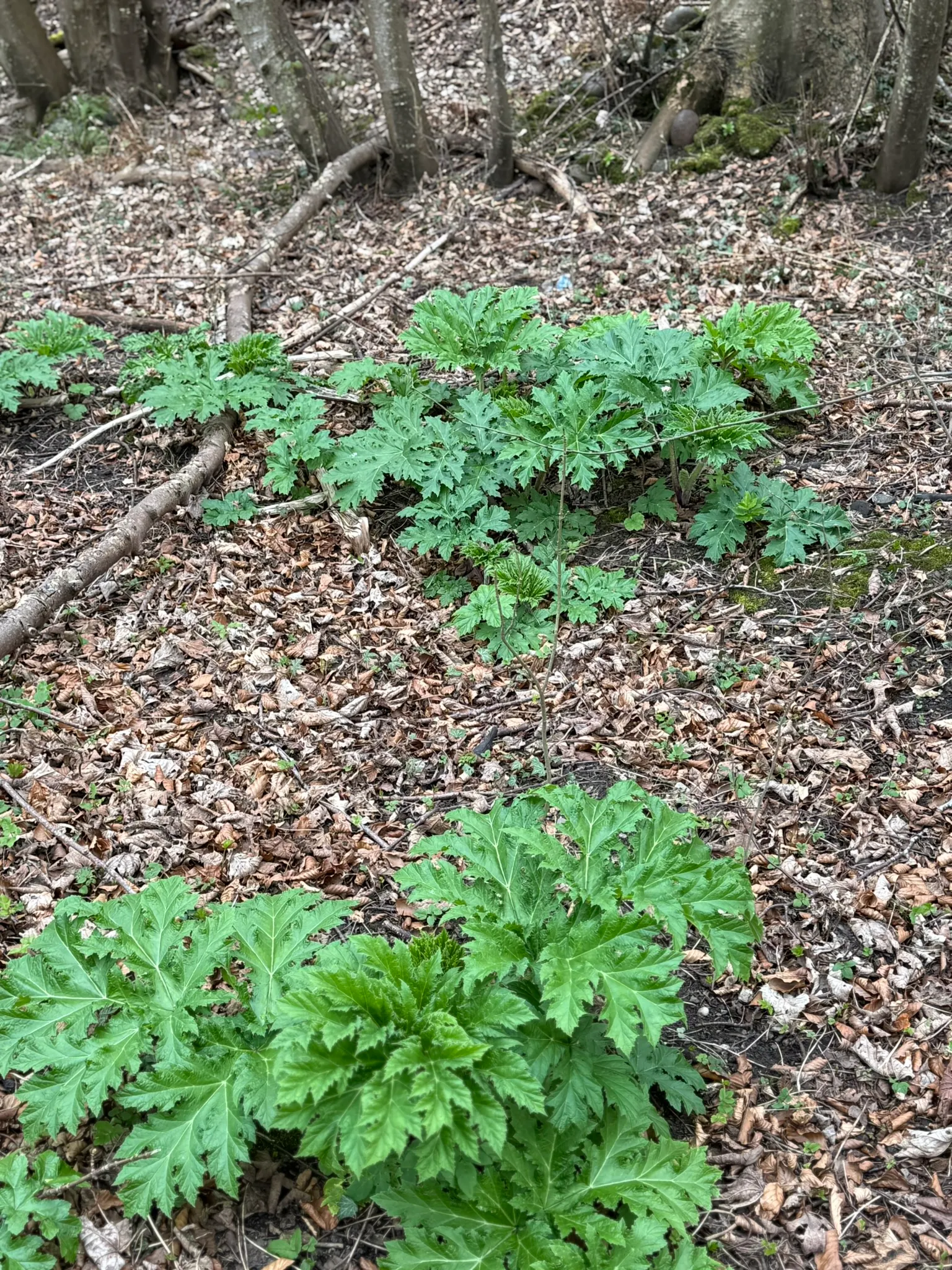
How do you treat Japanese knotweed?
At SE Knotweed, we treat Japanese knotweed by targeting the rhizome that drives regrowth, using one of four methods matched to the site. The families are herbicide treatment, excavation and disposal, on-site relocation to a buried cell, and a root-barrier membrane to contain spread.
Each is planned to a method statement, and we confirm which fits your stand at survey. The schedule below compares them.
How does herbicide treatment work?
Herbicide treatment works by applying glyphosate, usually by stem injection or foliar spray, so the plant carries it down into the rhizome across the growing season. A single application does not kill the root system, so the programme runs over 3 to 5 seasons with monitoring.
It is the lowest-cost method, from around £1,200, and it suits sites with no sale deadline where the soil can stay in place. Our herbicide treatment page sets out the visit schedule.
When is excavation the better option?
Excavation is the better option when a site must be clear quickly, when a development or sale cannot wait for a herbicide programme, or when the ground is being dug for building work anyway. We dig out the stand and the contaminated soil and remove it under licence.
It is the fastest method and the most expensive, from around £4,000 to £12,000, and the excavation page explains the process and the waste duty of care.
What is on-site relocation?
On-site relocation, or cell burial, moves the contaminated soil to a lined cell elsewhere on the same plot and buries it at a depth the rhizome cannot escape, avoiding the gate fees of off-site disposal. It suits larger sites with room to bury and typically costs £3,000 to £8,000.
The on-site relocation page covers the burial depth, the membrane and the record kept for the site.
When is a root barrier used?
A root-barrier membrane is used to stop knotweed rhizome crossing a boundary or reaching a structure, installed as a vertical or horizontal barrier of a certified thickness. It contains rather than removes, so it is often combined with treatment on the affected side.
The root barrier page explains where a barrier is appropriate and where a combination of methods works better.
Is treatment guaranteed?
Treatment carried out by an audited specialist is backed by an insurance-backed guarantee, which commits to further treatment at no cost if regrowth appears within the term. It is the same document a mortgage lender accepts.
We set out the guarantee with the management plan, and the guarantee page explains how it works and what it covers.
How much does treatment cost?
Treatment costs from around £1,200 for a herbicide programme on a small stand to £12,000 for full excavation on a large or awkward site. The figure is driven by the method, the size of the stand, machinery access and whether soil leaves the plot.
We measure the stand at survey and give a fixed price, and the cost pillar breaks it down by method and size.
| Method | Speed | Relative cost | Best for | Soil / waste | Guarantee |
|---|---|---|---|---|---|
| Herbicide treatment | 3 to 5 seasons | Lowest | No sale deadline, soil can stay in place | Minimal | Insurance-backed |
| Excavation and disposal | A few days | Highest | Fast clearance and development plots | Soil removed under licence | Insurance-backed |
| On-site relocation (cell burial) | 1 to 2 weeks | Medium to high | Larger sites keeping soil on the plot | Buried on site to a cell | Insurance-backed |
| Root-barrier membrane | Days | Medium | Containing spread at a boundary | Minimal | Situational |
| Combination treatment | Varies | Medium | Mixed or access-restricted sites | Varies | Insurance-backed |
In this section
Common questions
- Does glyphosate kill Japanese knotweed?
- Glyphosate injected into the stems is the standard herbicide method and controls knotweed over several seasons, but one application does not kill the rhizome. A monitored programme is needed to confirm it is dead.
- How long does it take to kill knotweed?
- A herbicide programme runs over 3 to 5 growing seasons with monitoring. Excavation removes the rhizome in days but costs more. The right choice depends on your timescale.
- Can knotweed come back after treatment?
- Regrowth can appear if any viable rhizome survives, which is why an insurance-backed guarantee covers further treatment at no cost within the term.
Related guides
- The Japanese knotweed rhizome and root system
- Does glyphosate kill Japanese knotweed?
- The best weedkiller for Japanese knotweed
- Treating Japanese knotweed in winter
- How long does Japanese knotweed treatment take?
- When to treat Japanese knotweed
- How many years does it take to kill Japanese knotweed?
- How deep do Japanese knotweed roots go?
Book a survey and get a costed plan
Tell us the address and what a surveyor flagged. We confirm the plant, record the RICS category and set out the figures.